


How to create safer construction sites with signage
Posted on: 02/03/2026
According to 2024 HSE statistics, 79,000 workers in the construction industry suffered from ill health over a three-year period from 2022/23-2024/25. 35 of these injuries were fatal, with 53% being falls from height. 50,000 of the total injuries were non-fatal, with slips, trips, and falls accounting for the largest share of accidents. Fatal and non-fatal injuries are preventable when the right measures, such as signage and notice boards, are implemented.
The importance of site safety notice boards
Site safety notice boards are at the core of safety standards on every construction site. They are commonly used to communicate messages such as:
These signs are important on construction sites because they are typically the first things staff and visitors see upon entering. Placing these signs at relevant locations, such as the main site entrance, pedestrian access points, site offices, and waiting points is important as you can communicate essential information before it’s too late.

Safety Station Shadowboards
Safety stations are the ideal place to store important documents, equipment, and relevant safety information. They are crucial as they serve as a central point of call for fire safety or first aid issues.
Two common types of safety stations are first aid stations and fire action stations.
Safety stations can also include both first aid and fire safety information, as shown below. Companies should also consider including a HSE poster on their safety stations, as employers are legally required to provide each of their workers with the equivalent leaflet. The HSE leaflet can be found on the left-hand side of the safety station image below.
The importance of safety signage
Safety signage is important for communicating specific hazards or actions on site. Where a safety notice board communicates general messages at entrances and access points, safety signage is ideal for messages around the site, specific to certain rooms or machines. There are five different types of safety symbols to be aware of:
Road Signs
Road signage is a crucial addition to all construction sites. With many moving vehicles, workers, and visitors present on site, it is important that speed limits and safety messages are followed. These are some examples of essential road signs that are used on construction sites:
Permanent road signs are typically made from aluminium composite panel, a robust material designed for long-term use in harsh environments. Temporary road signs are typically made from zinc-coated plate, which is ideal for short-term use where durability isn’t as important. Zinc-coated signs are therefore more cost-effective when used temporarily, as they won’t be in use for long enough to experience the wear and tear of a permanent sign.
Site Office Signs
While not commonly associated with safety, office signs are a useful way to aid navigation and help staff and visitors find relevant locations. Imagine offices had no signs. What would prevent someone from walking into a dangerous area? What would stop someone from touching something they shouldn’t, such as a hot towel rail?
Some useful examples of office signage that can aid safety include:
Mental health in the construction industry
From 2022/23-2024/25, 19% of all ill health in the construction industry was workers suffering from work-related stress, depression or anxiety. Whether it’s due to the ‘masculine’ culture on sites or pressures caused by long hours, financial stress, or uncertain contracts, mental health is a problem in the construction industry.
Mental health signage, mental health first aiders and access to employee assistance programmes (EAPs) are all ways that construction companies can encourage a positive mental health culture. However, being proactive and recognising that mental health is just as important as physical health is the first step toward real change. Construction companies need to create a culture that encourages openness and inclusion to boost positivity and reduce the stresses that contribute to poor mental health.
The importance of a safety-first mindset
The most effective way to create a safer construction site is to change the company culture and the mindset of each employee. Companies must treat health and safety as a priority and ensure that all staff buy into the culture.
They should reinforce messages through consistent signage and notice boards as well as regular training for all employees, so they understand what equipment is required to perform their jobs safely.
When consistent procedures are in place alongside effective, branded signage, safety becomes front-of-mind for managers and workers alike. As long as employees and visitors follow instructions such as PPE requirements and other access restrictions, companies should see a reduction in injuries and a much safer workplace environment.
The importance of site safety notice boards
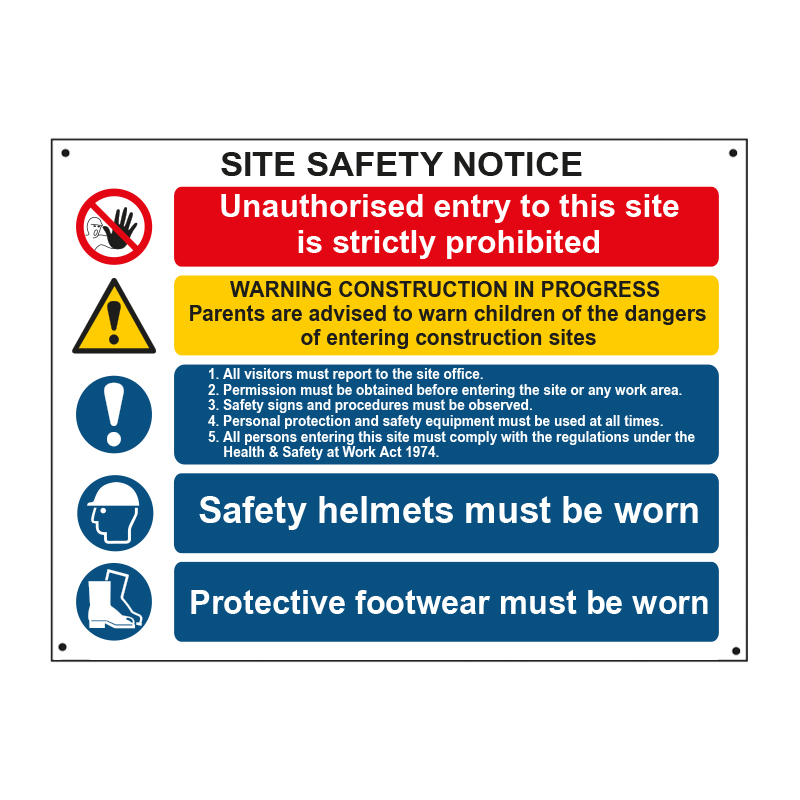
Site safety notice boards are at the core of safety standards on every construction site. They are commonly used to communicate messages such as:
- Unauthorised entry to this site is strictly prohibited
- Authorised personnel only beyond this point
- Danger/Warning Construction work in progress
- Heavy plant and machinery operate on this site
- Forklift trucks operating in this area
These signs are important on construction sites because they are typically the first things staff and visitors see upon entering. Placing these signs at relevant locations, such as the main site entrance, pedestrian access points, site offices, and waiting points is important as you can communicate essential information before it’s too late.
Safety Station Shadowboards
Safety stations are the ideal place to store important documents, equipment, and relevant safety information. They are crucial as they serve as a central point of call for fire safety or first aid issues.
Two common types of safety stations are first aid stations and fire action stations.
- First Aid Stations:
- Documents: Accident/injury report books to log any incidents that occur on site
- Equipment: First aid kits or emergency eye wash kits
- Information: The names of dedicated first aiders in the designated location
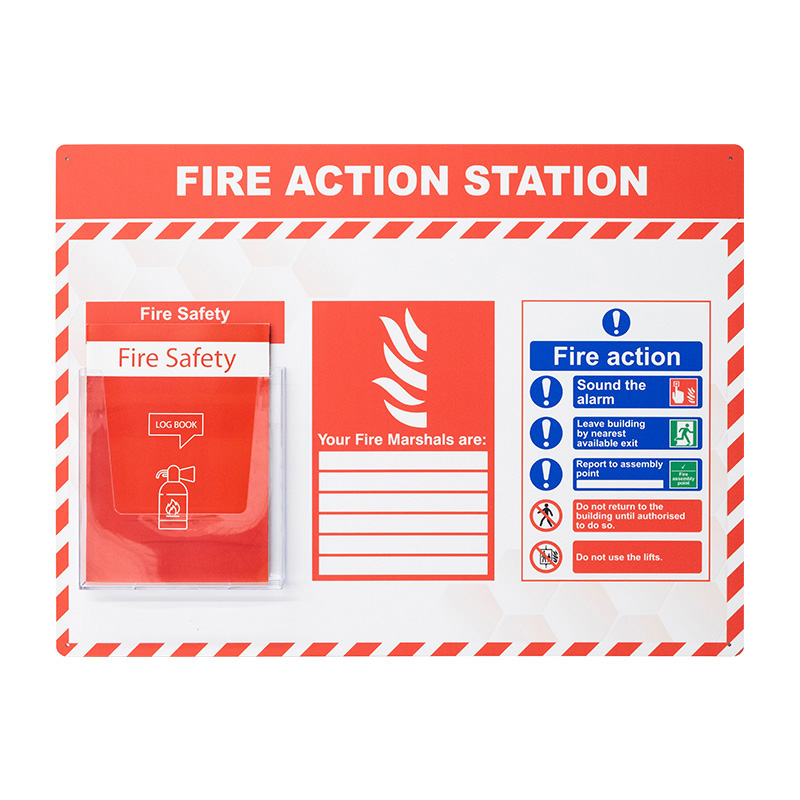
- Fire action stations:
- Documents: Fire safety book to log any fire drills, incidents, and safety checks
- Equipment: Generally, fire action stations don’t have to hold equipment, but they can host fire blankets. They should also be located near a fire extinguisher
- Information: Display fire marshal names and important evacuation actions via a fire action sign
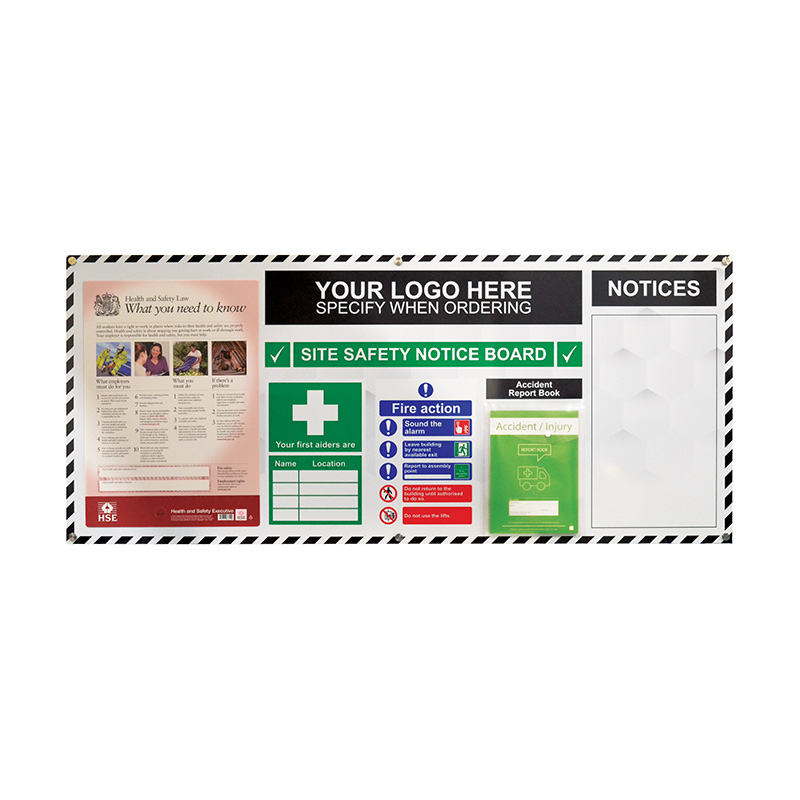
Safety stations can also include both first aid and fire safety information, as shown below. Companies should also consider including a HSE poster on their safety stations, as employers are legally required to provide each of their workers with the equivalent leaflet. The HSE leaflet can be found on the left-hand side of the safety station image below.
The importance of safety signage
Safety signage is important for communicating specific hazards or actions on site. Where a safety notice board communicates general messages at entrances and access points, safety signage is ideal for messages around the site, specific to certain rooms or machines. There are five different types of safety symbols to be aware of:
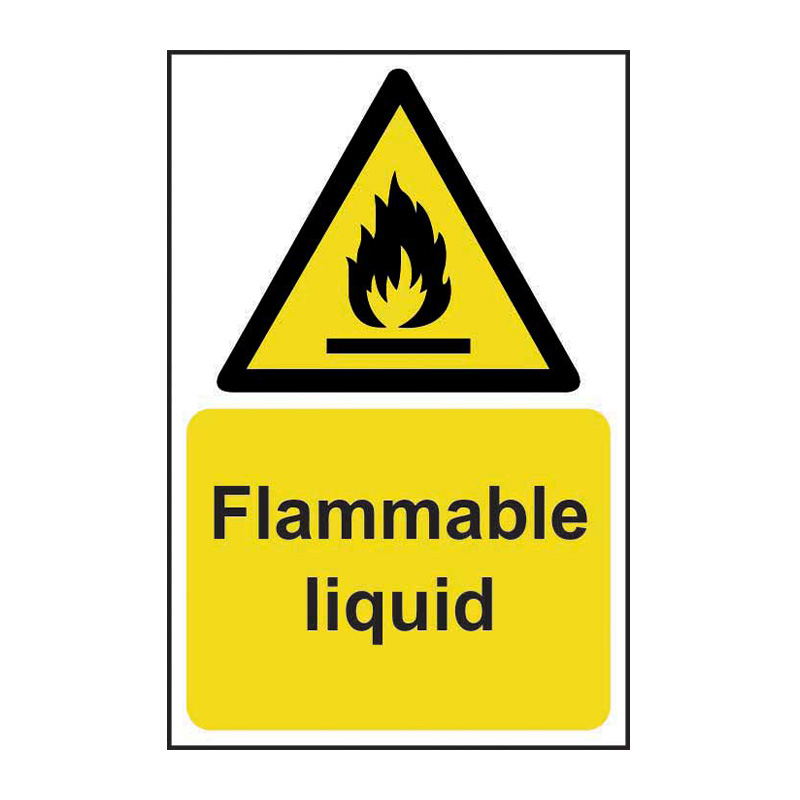
- Hazard Warning: Inform staff and visitors of a nearby hazard which could pose a risk to health or well-being. Typically used in electrical rooms, plant rooms, or areas with machinery. Some examples include:
- Danger – High voltage
- Harmful substance
- Flammable gas
- Caution – Forklift trucks
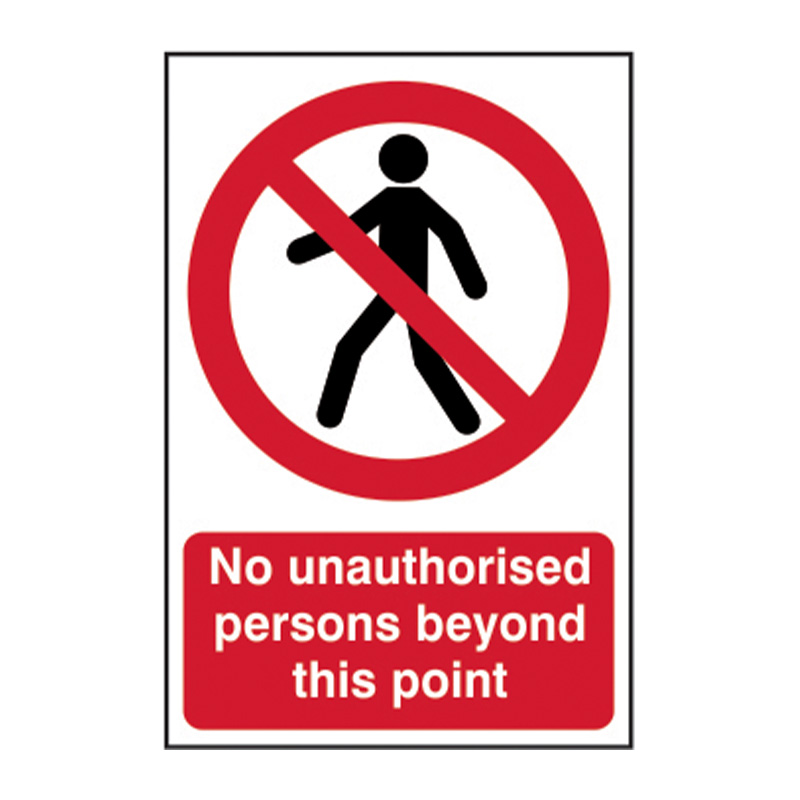
- Prohibition: Indicate a course of action which is forbidden. Typically used around the site to reinforce important messaging. Some examples include:
- No smoking
- No unauthorised access
- No entry/No exit
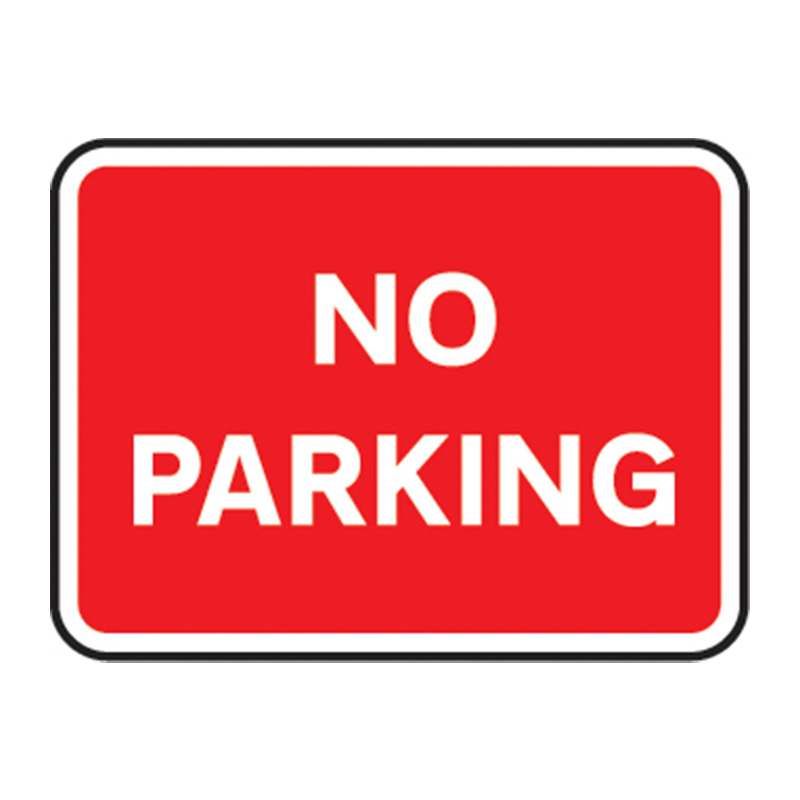
- No parking
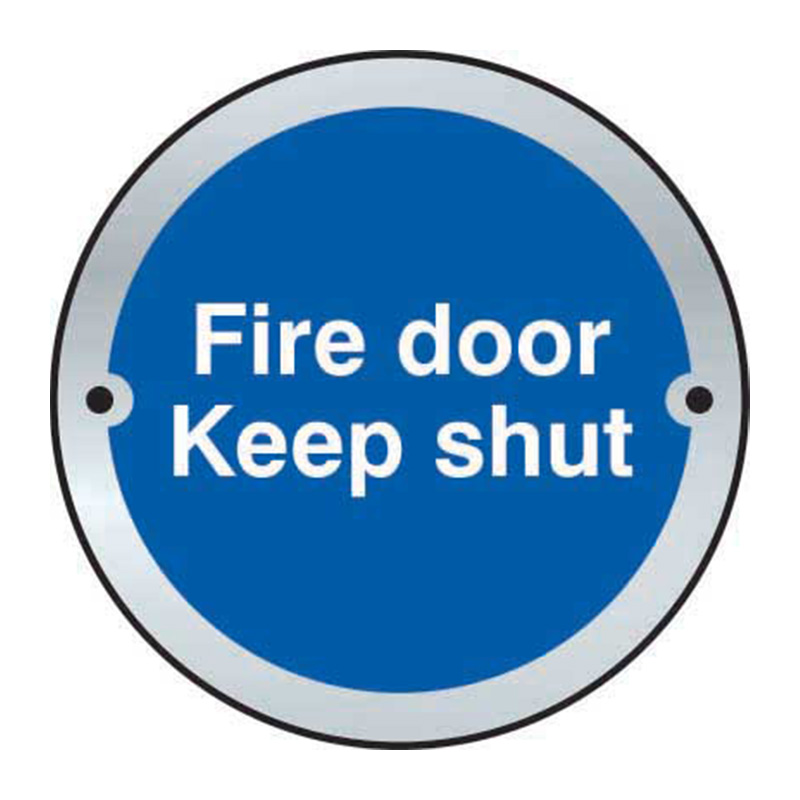
- Mandatory: Denote information about a specific course of action which must be taken. Used around sites, but more commonly in entrances, break areas, hand washing areas, and on fire doors. Some examples include:
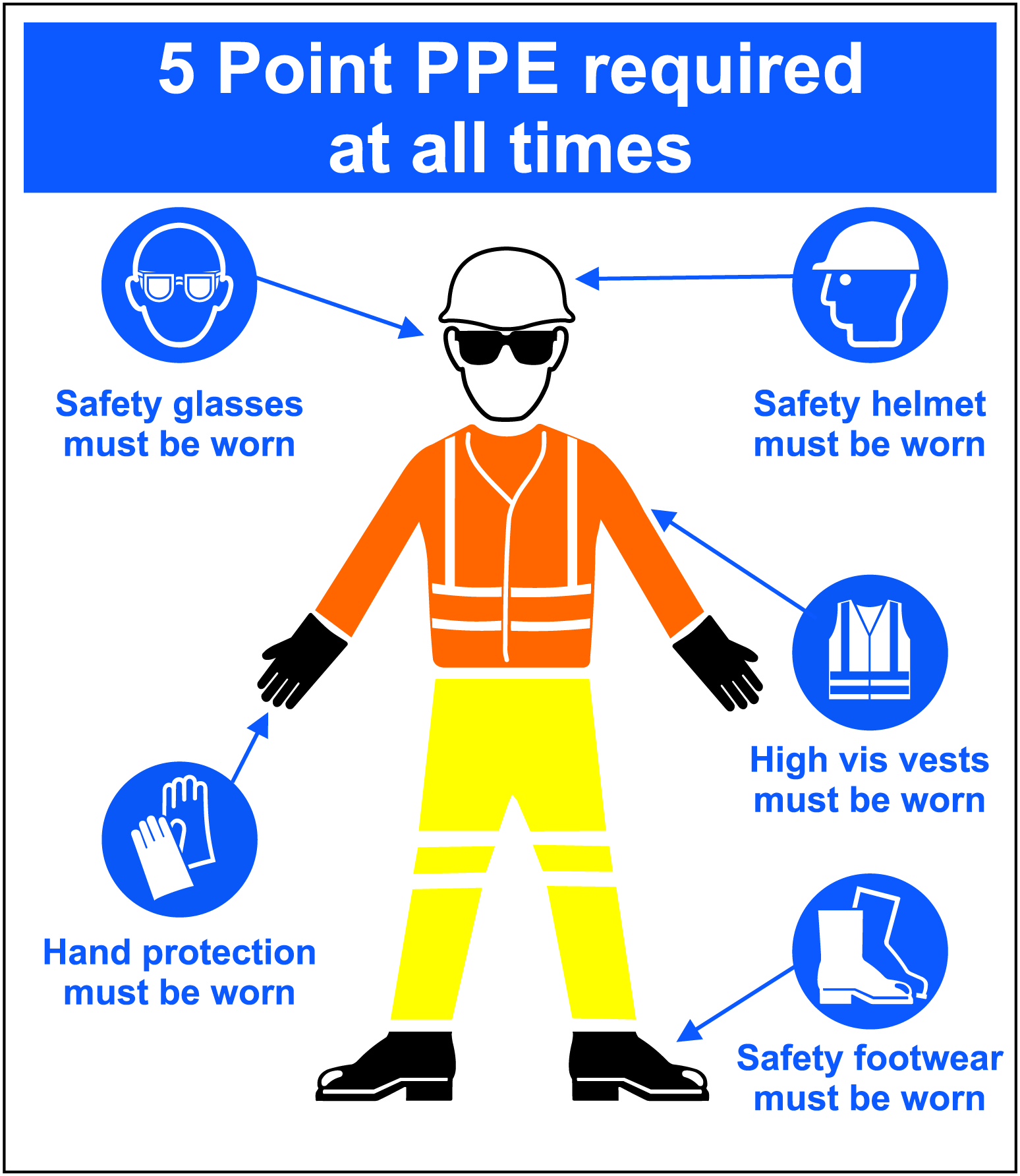
- PPE – Footwear, Hi-vis, Ear protection etc.
- Fire door keep shut
- Fire escape keep clear
- All visitors must report to reception
- Now wash your hands
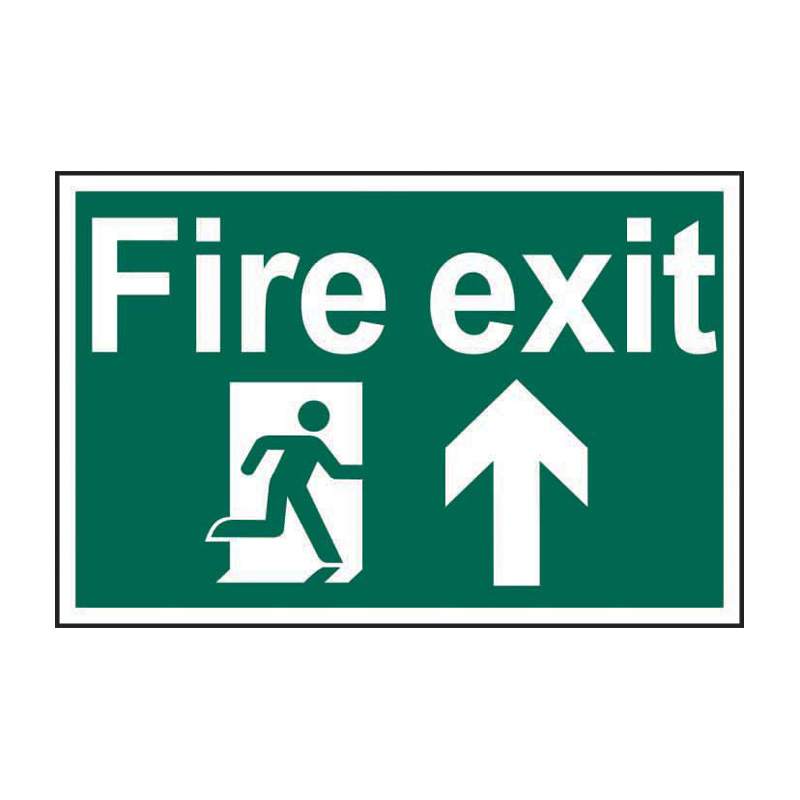
- Safe Condition: Provide vital information about an action to keep you safe. Typically used on emergency exits, assembly points and first aid locations. Some examples include:
- Fire exit (including directional arrows)
- Fire assembly point
- First aid station
- In case of fire break glass
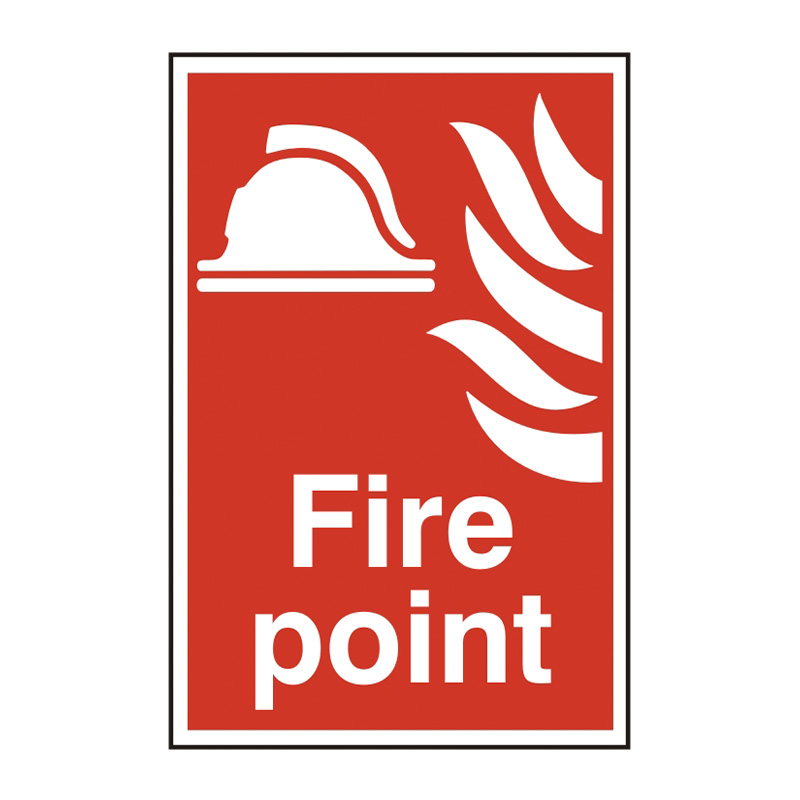
- Fire Equipment: Provide vital information about the location and identification of firefighting equipment. Typically used in offices, plant rooms, and areas where fire hazards are present. Some examples include:
- Fire extinguisher
- Fire alarm
- Fire alarm call point
- Fire point
Road Signs
Road signage is a crucial addition to all construction sites. With many moving vehicles, workers, and visitors present on site, it is important that speed limits and safety messages are followed. These are some examples of essential road signs that are used on construction sites:
- Speed control: Display relevant limits to ensure vehicles maintain necessary speed
- No entry: Prevent vehicles entering pedestrian zones or areas not intended for vehicles
- Site entrance/exit: Direct traffic to prevent congestion and maintain traffic flow
- Traffic light signs: Control vehicle flow around roadworks
- Pedestrian signs: Keep pedestrians away from hazards such as machinery and vehicles
- Keep left/right: Control movement and prevent confusion or collisions
Permanent road signs are typically made from aluminium composite panel, a robust material designed for long-term use in harsh environments. Temporary road signs are typically made from zinc-coated plate, which is ideal for short-term use where durability isn’t as important. Zinc-coated signs are therefore more cost-effective when used temporarily, as they won’t be in use for long enough to experience the wear and tear of a permanent sign.
- Examples of permanent road signs:
- Speed limits
- Parking/no parking
- Way in/way out
- No entry
- Examples of temporary road signs:
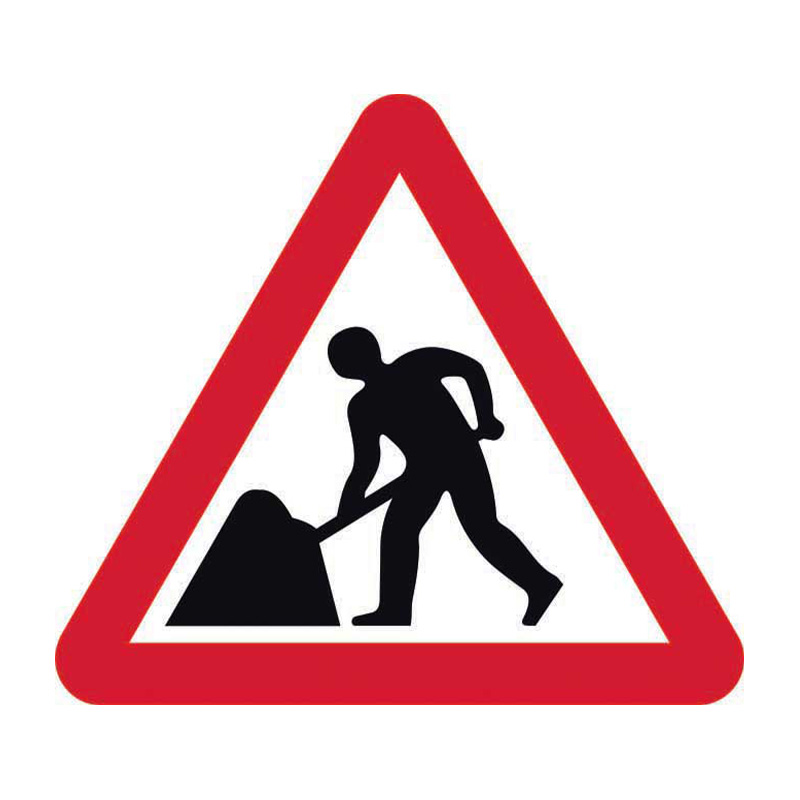
- Men at work
- Traffic lights
- Road closed
- Pedestrian access
Site Office Signs
While not commonly associated with safety, office signs are a useful way to aid navigation and help staff and visitors find relevant locations. Imagine offices had no signs. What would prevent someone from walking into a dangerous area? What would stop someone from touching something they shouldn’t, such as a hot towel rail?
Some useful examples of office signage that can aid safety include:
- No entry
- Mind the step
- Mind your head
- Caution towel rail may be hot
- Staff room
Mental health in the construction industry
From 2022/23-2024/25, 19% of all ill health in the construction industry was workers suffering from work-related stress, depression or anxiety. Whether it’s due to the ‘masculine’ culture on sites or pressures caused by long hours, financial stress, or uncertain contracts, mental health is a problem in the construction industry.
Mental health signage, mental health first aiders and access to employee assistance programmes (EAPs) are all ways that construction companies can encourage a positive mental health culture. However, being proactive and recognising that mental health is just as important as physical health is the first step toward real change. Construction companies need to create a culture that encourages openness and inclusion to boost positivity and reduce the stresses that contribute to poor mental health.
The importance of a safety-first mindset
The most effective way to create a safer construction site is to change the company culture and the mindset of each employee. Companies must treat health and safety as a priority and ensure that all staff buy into the culture.
They should reinforce messages through consistent signage and notice boards as well as regular training for all employees, so they understand what equipment is required to perform their jobs safely.
When consistent procedures are in place alongside effective, branded signage, safety becomes front-of-mind for managers and workers alike. As long as employees and visitors follow instructions such as PPE requirements and other access restrictions, companies should see a reduction in injuries and a much safer workplace environment.